My role:
Lead UX Architect, Co-Designer
Conducted in-depth conversational phone interviews, Validately interviews, Agent survey, and Benchmark testing
Deliverables:
Module-based E-course for Allstate agents
Milewise micro-site savings gauge
Driver Archetype quiz
Redesigned balance card with replenishment projection, one-time payment functionality and spending target.
A living customer journey map
project overview
Elicit feedback from current Milewise customers to understand the customer journey from the Entice to Enter stage (shopping) to the Engagement stage (maintenance). Diagnose the underlying issues, and design solutions around addressing them.
what are the pain points and delights in the current Milewise customer journey?
understand user behavior and needs—in terms of broad customer experience, as well as within the mobile app/web app
Gather feedback on app changes/features
solution summary
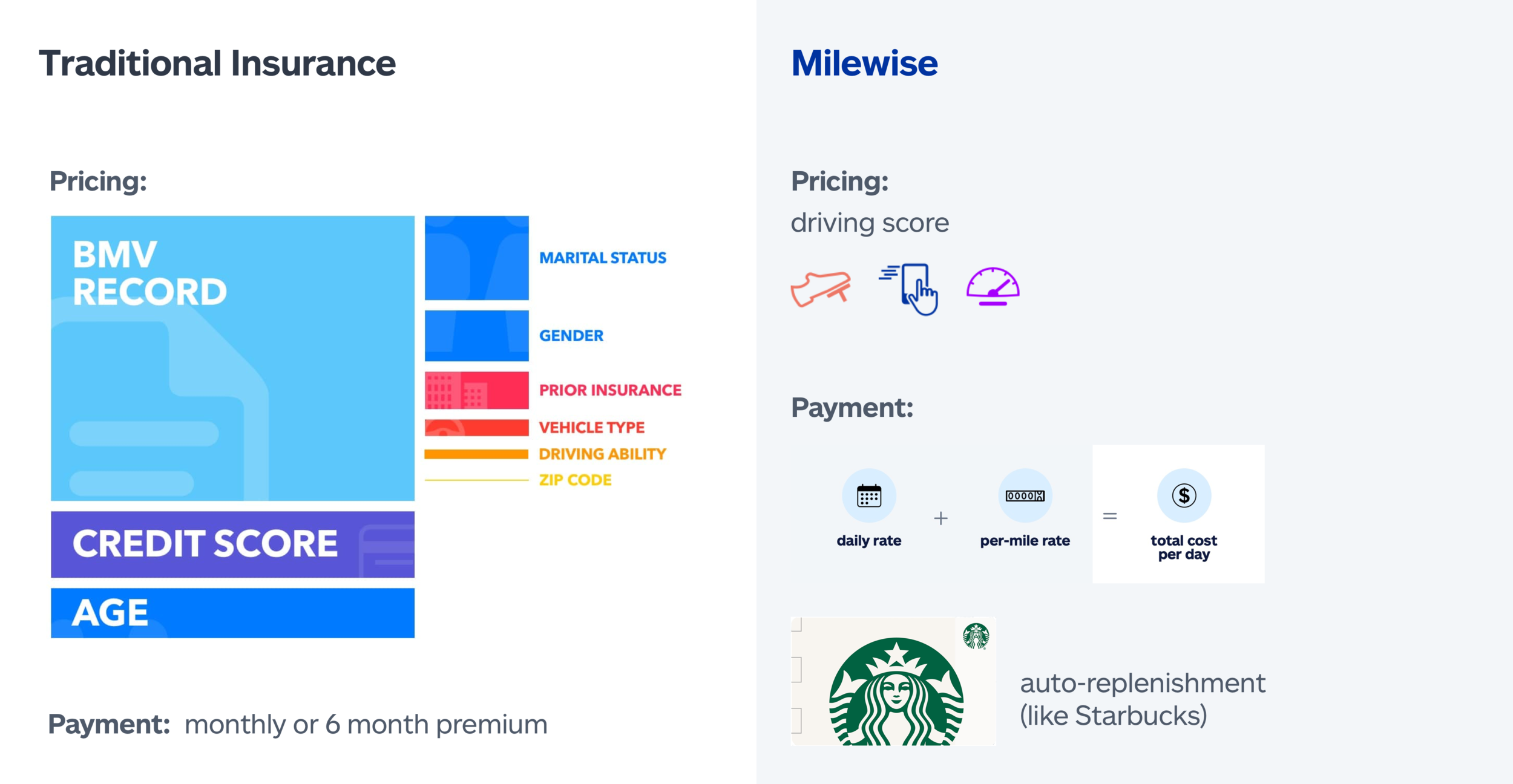
Although Allstate Agents are one of the main channels customers learn about Milewise, the agents themselves needed additional resources in the form of an online E-course, acclimating them to Milewise and arming them with the understanding needed to identify customers and guide them to the right insurance product for them.
Many customers were not initially attracted to Milewise because they believed their mileage was too high, or their lifestyle wasn’t right. To combat this incorrect perception we created a simple slider mechanism embedded in our Milewise marketing microsite, showing the relationship between miles and expected savings percentage.
We also created a 6 question quiz about a person's driving habits and preferences that aimed to entertainingly educate drivers on what type of “driver archetype” they are and the corresponding insurance that would be most the most suitable for them.
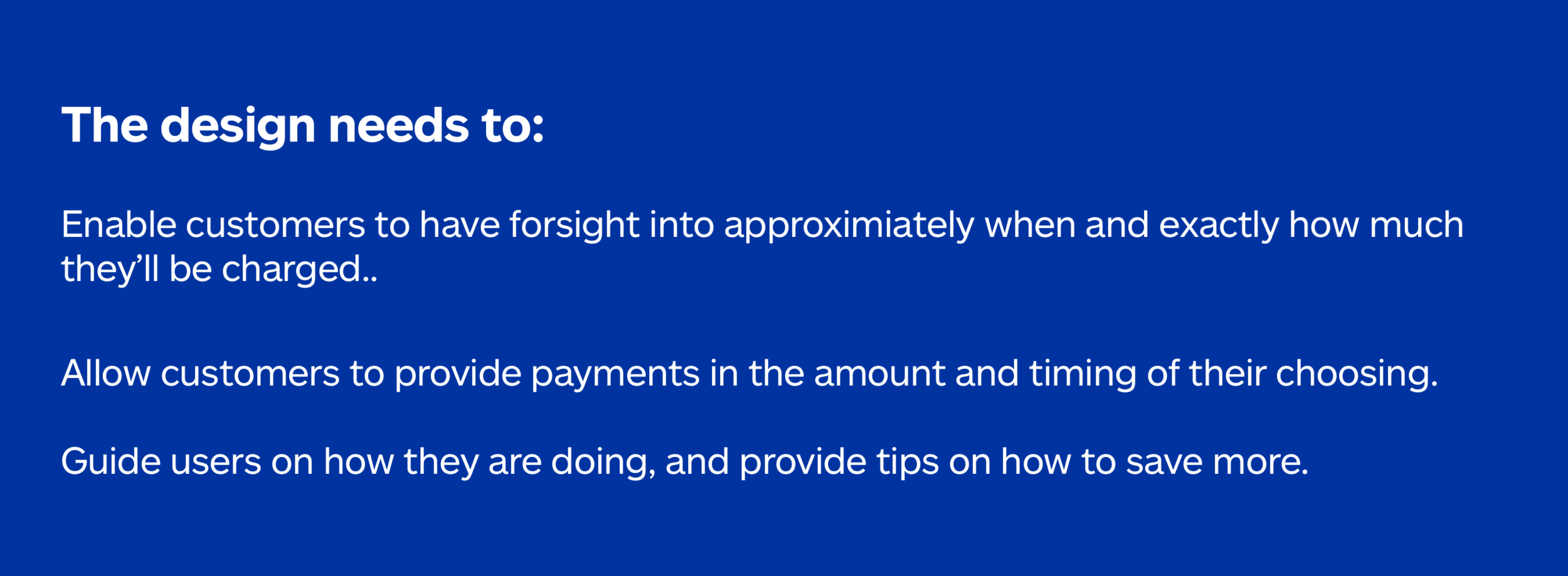
Users needed more control and foresight to better handle expenses and change driving to accommodate their budget.
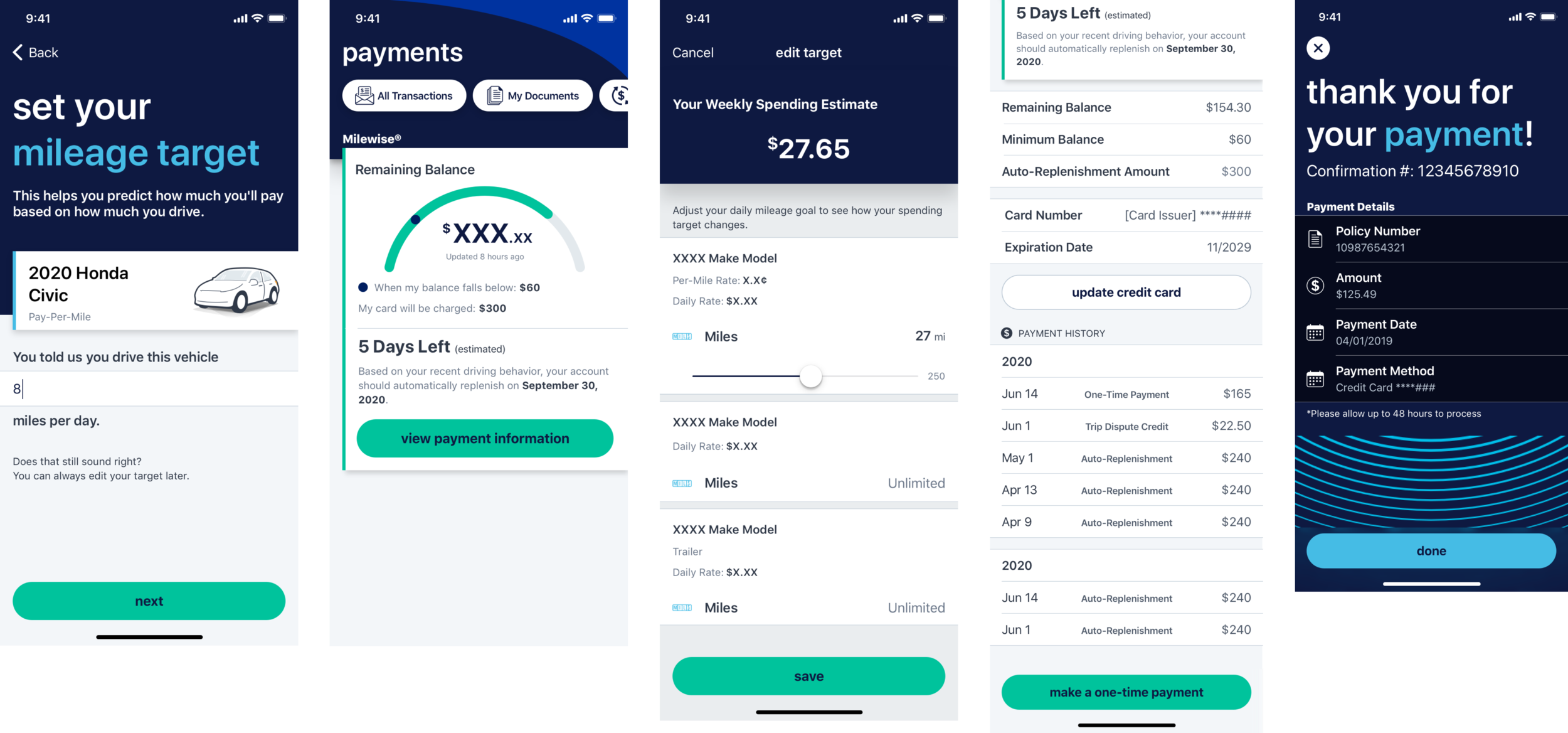
To that end, we redesigned the balance card, created a replenishment projection, one-time-payment functionality, and spending target.
The challenge
Car insurance is a highly established and regulated industry which hasn’t evolved or innovated in any meaningful way…until very recently.
The user’s (and agents) mental model around car insurance has not kept pace with the technology, which now informs how insurance products are built, how customers are priced, and the corresponding user experience of managing the insurance.
How might we address weak points in the customer journey so that user’s can be empowered to learn about and adopt Milewise if it’s right for them, and agents are equipped to lead them to it?
discovery & understanding
three main streams of research:
In-depth interviews to understand the Milewise customer experience
60-minute phone interviews
Conversational interview that followed their journey from learning about Milewise to present
10 participants
In-depth interviews about Milewise mobile/web app
30-60 minute remote interviews via Validately
Discussion of current app usage
10 participants
Survey with Allstate agents
3 page survey to identify and prioritize Milewise knowledge gaps
79 agents from 54 agencies in Austin TX
Milewise customers
Who are they and what are their motivations? Three types emerged based on common behaviors:
All three customer types share the same main value proposition—savings.
But, they have different motivations for seeking savings:
Commuters have a work situation that lessens / eliminates need to drive, triggering a search for a new insurance product. (Also, more recently: COVID-related).
Retires are on fixed income, no longer driving on a regular basis.
Shoppers are financially savvy and saving money is a way of life.
high-level findings
Knowledgeable agents play a key role in raising awareness of Milewise for all three customer types. But, due to lack of knowledge or agent’s mental model of insurance, many agents miss opportunities to lead customers to Milewise despite it being the right product for customers.
Costumer’s pre-conceived notions around their driving and Telematics-based insurance can dissuade or prevent them from buying into Milewise without some additional tools or resources.
Customer’s want more control over the payment amount and timing, and many misunderstood the mechanics of Milewise payment in general.
Part I: addressing agent needs
Many agents are unaware or unfamiliar with Milewise and so have been unable to help lead potential customers to this product, despite it being the right choice for users based on their lifestyle and goals.
Our Hypothesis:
Creating an online E-course designed around educating agents that target their knowledge gaps will solve or mitigate the pain point of users not being made aware of Milewise, as well as the pain point of agents not understanding it when communicating with the customer.
But, to build an effective online E-course, we needed to learn specifically what information agents most needed to be educated on.
method: Survey
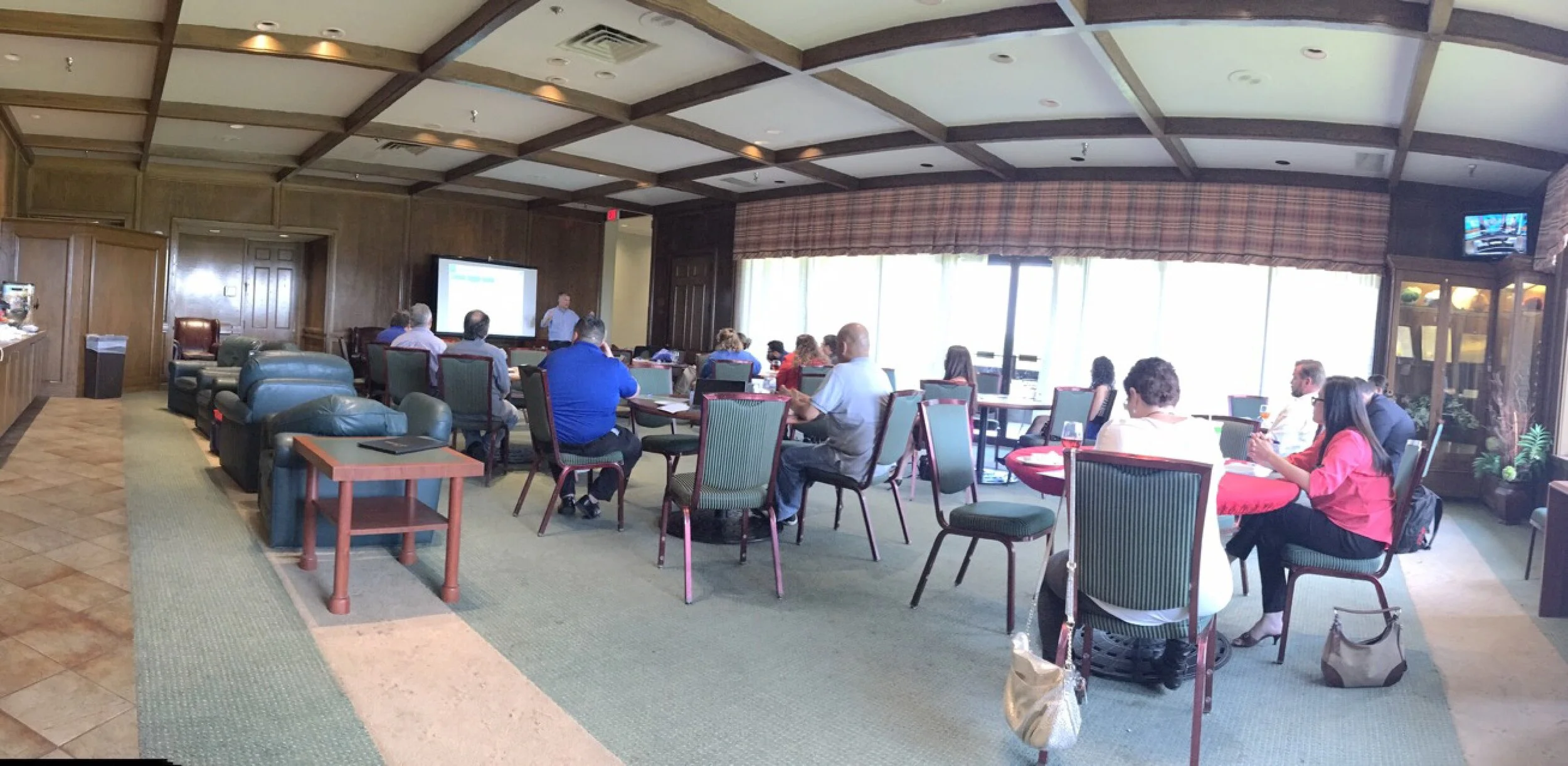
79 Allstate agents from 54 Austin-based agencies participated in the survey.
44% of agents who completed the survey had 10+ years of experience.
findings
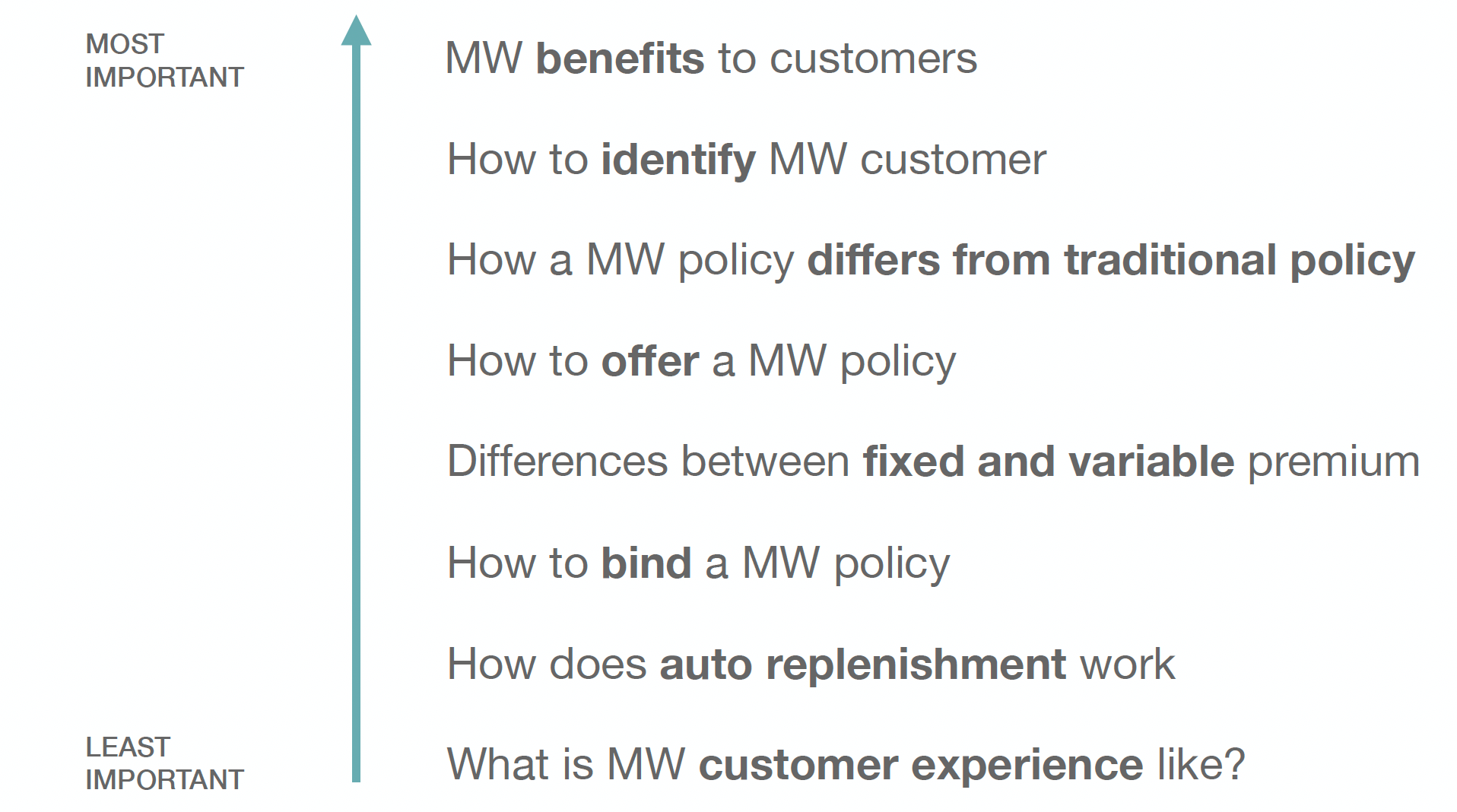
Through analyzing survey results, we were able to prioritize what agents needed to be covered in the education course:
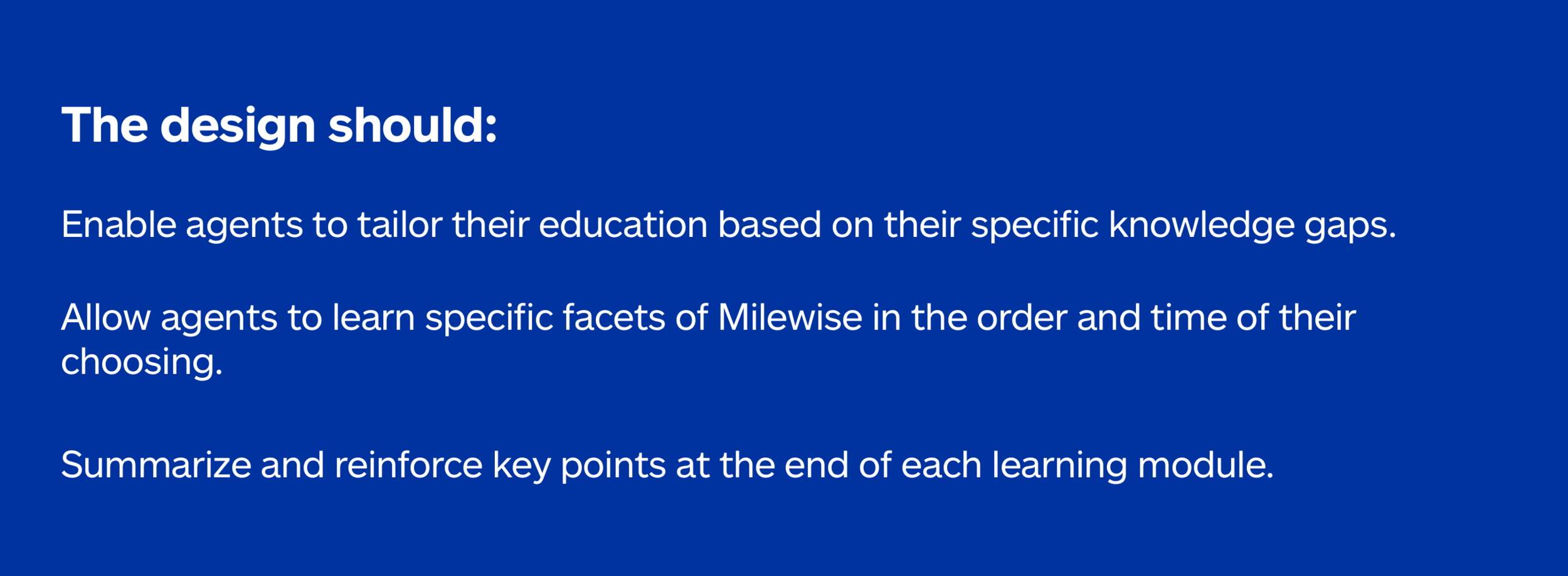
Through more ideation and synthesis of survey results, we aligned on the design direction we needed to go.
development
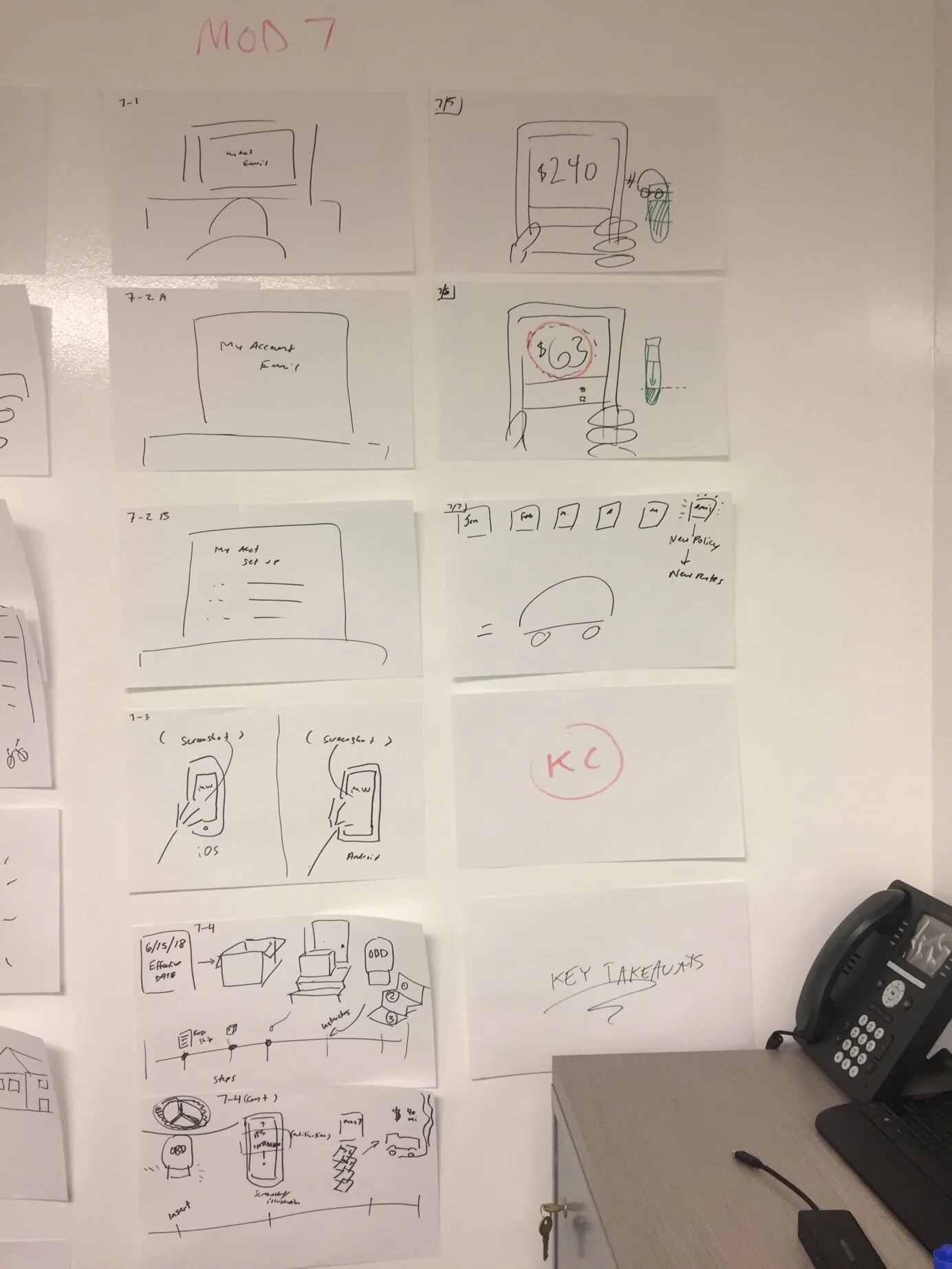
After establishing we wanted to structure the course using learning modules, we landed on these 7 based on survey results:
What is Milewise?
How Milewise Works
Milewise Payment
Identifying Customers
Quote & Bind in Advisor Pro
Service a Milewise Policy
Customer Experience (app and web)
From there, we were ready to start storyboarding.
We initially sketched out very rough ideas and concepts.
Then, we gradually got more clarity around visuals and what the script needed to include.
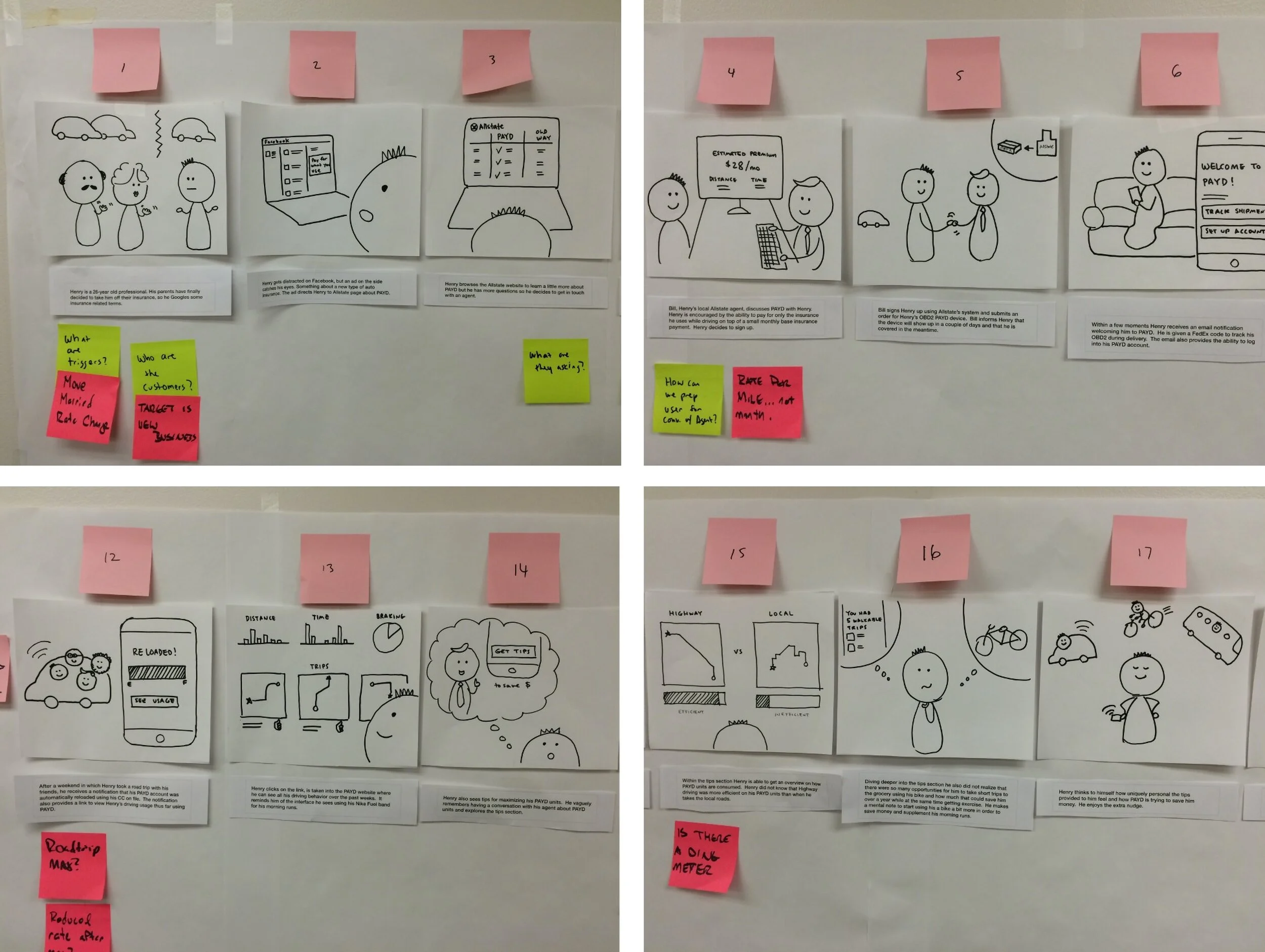
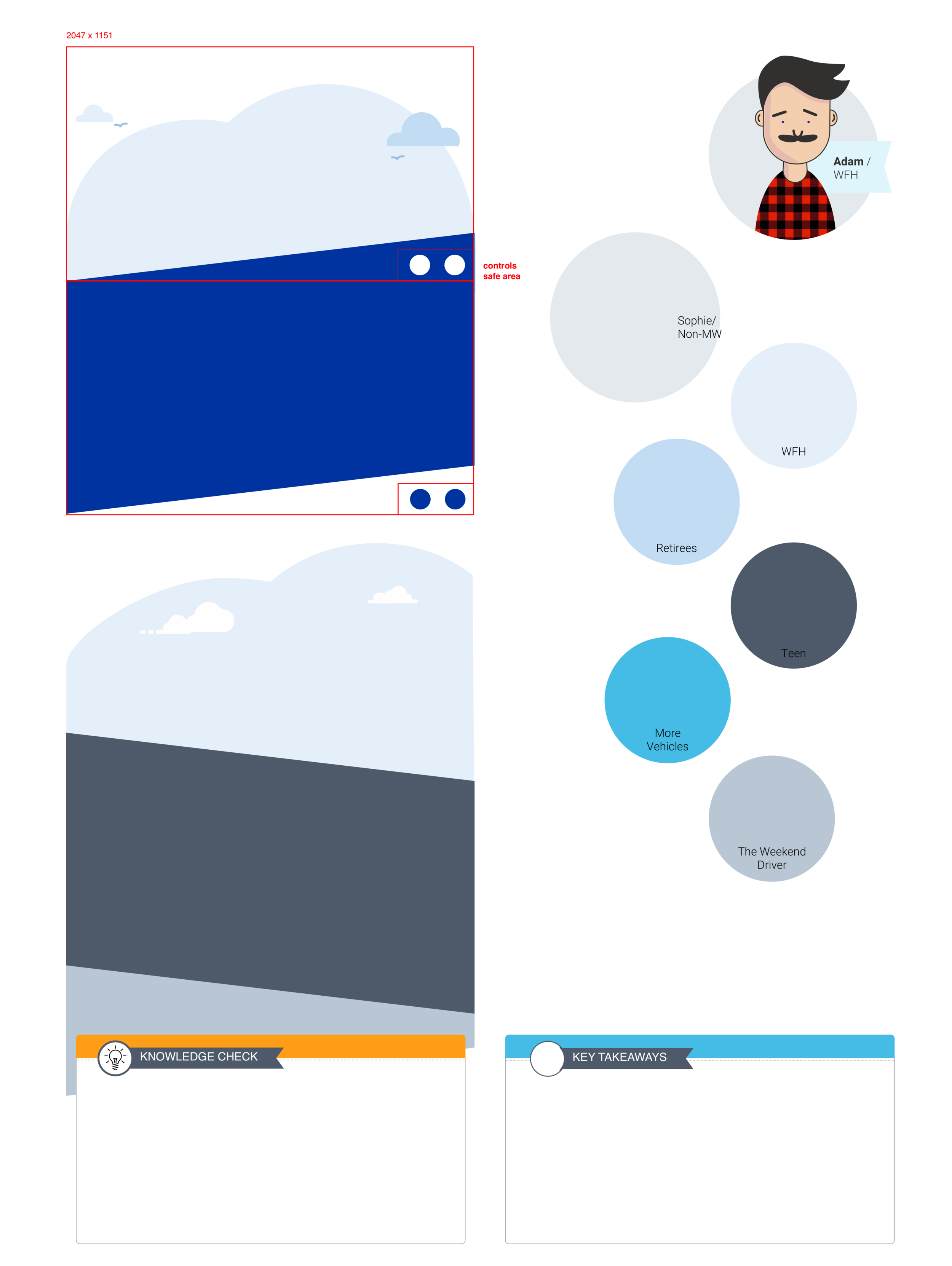
Taking direction from our existing personas, we decided to leverage “Adam” and turn him into a reoccurring, relatable Milewise customer appearing throughout the course.
He would serve to help illustrate key concepts, relationships, and scenarios.
From there, we designed a style guide and essential course components as well as templates for important elements, such as key takeaways and knowledge checks. Some illustrations existed already, but many we had to design from scratch.
Watch two samples of the completed course below:
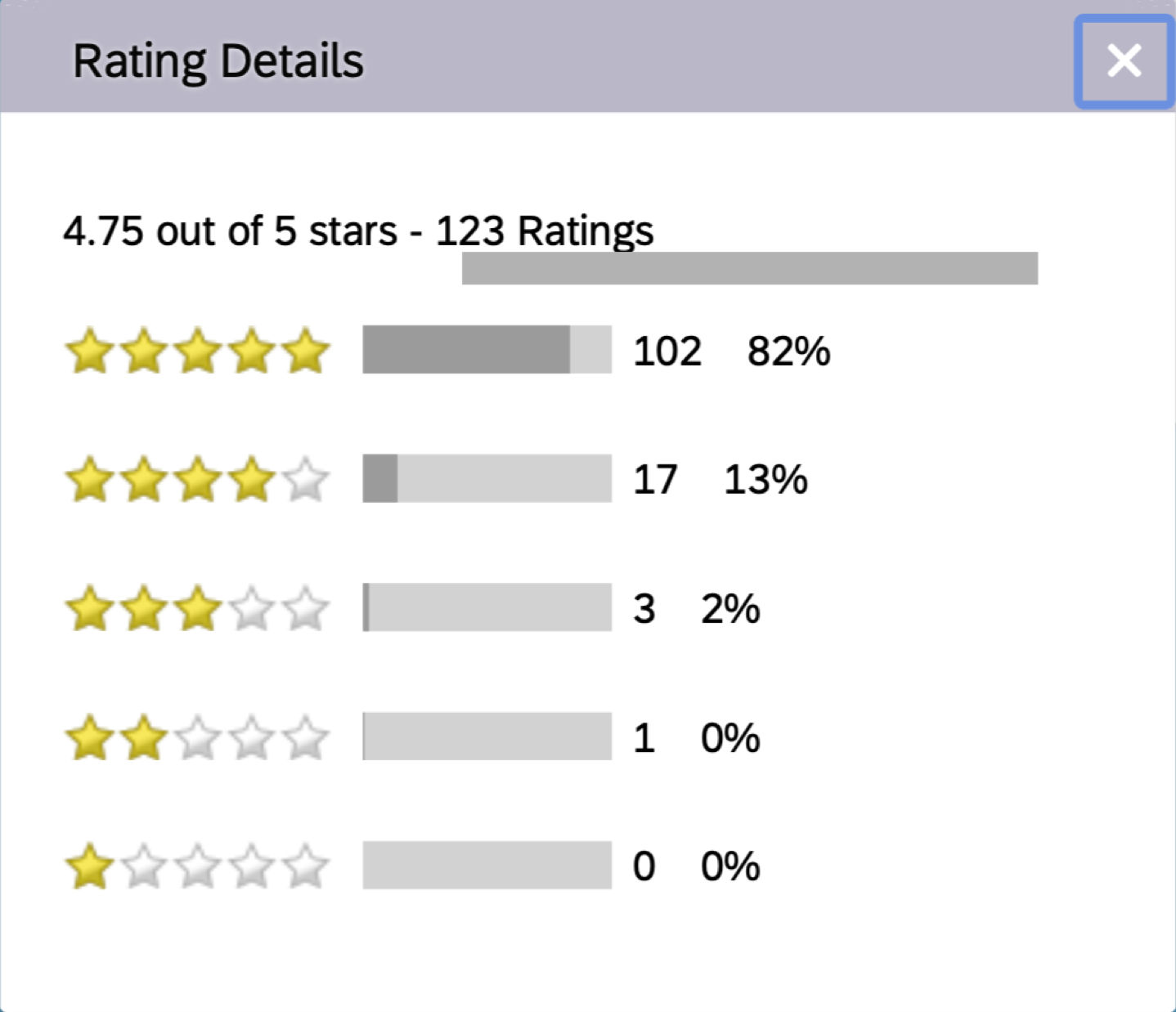
Ultimately, using animation, key takeways and quizzes, the online E-course has seemed to be effective in educating agents.
Agents have rated it 4.75 out of 5
part II: changing perceptions around driving and mileage
Moving on to our next major pain point. Through our in-depth interviews, as well as agent surveys we discovered that many customers were not initially attracted to Milewise because they believed their mileage was too high, or their lifestyle wasn’t right.
First, to combat this incorrect perception and we created a simple slider mechanism embedded in our Milewise marketing microsite, showing the relationship between miles and expected savings percentage. We wanted to show concrete dollar amounts, but legal couldn’t sign off on it.

Next, admittedly taking some inspiration from dorky Buzzfeed quizzes, we did a design exploration around creating a driving archetype quiz about a person's driving habits and preferences, aimed to entertainingly educate on what type of car insurance might be suitable for them.
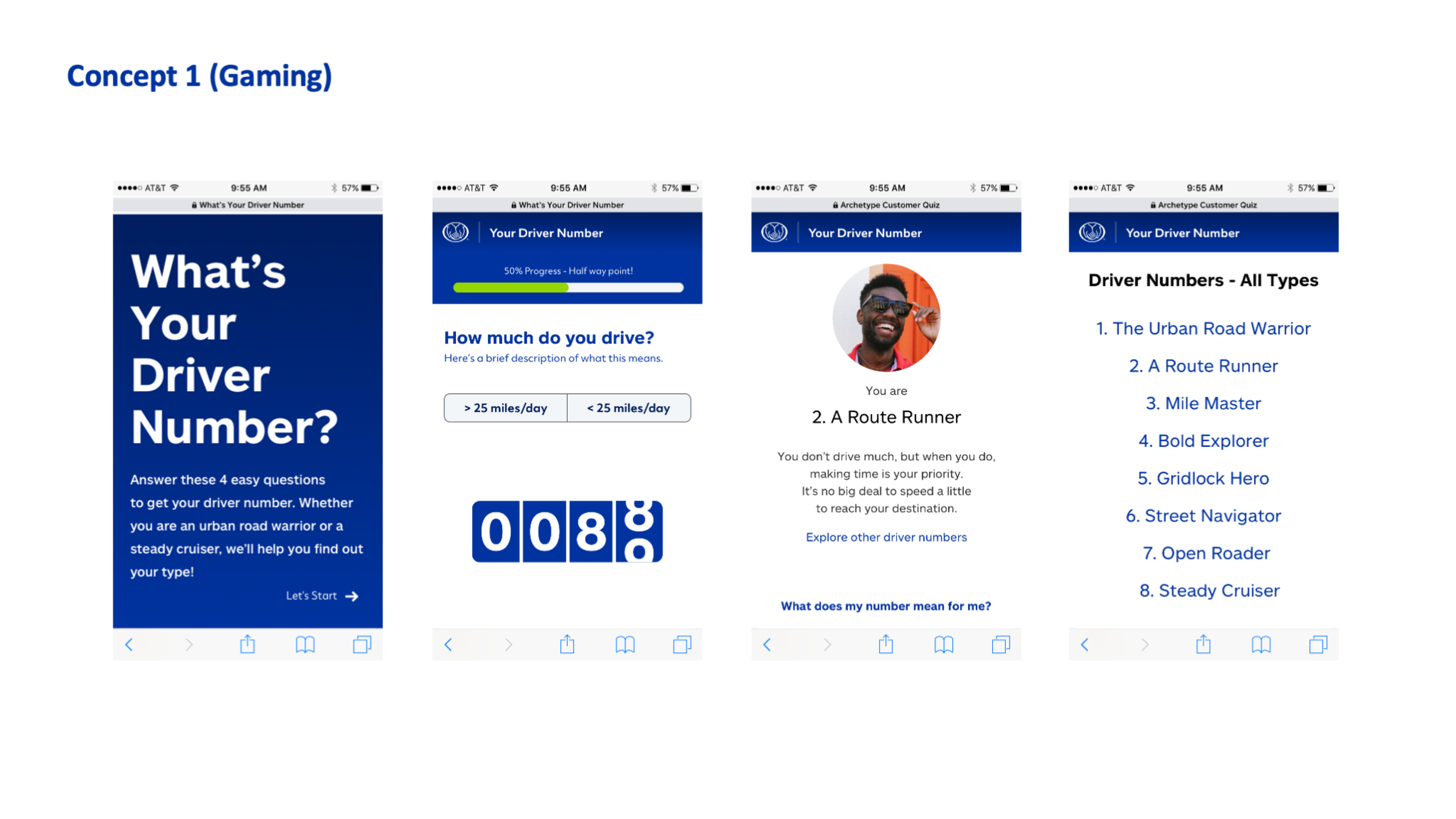
Idea: gamify the quiz so that the driver taking it would learn what driver number they were at the end, and they could even explore what other driver numbers meant.
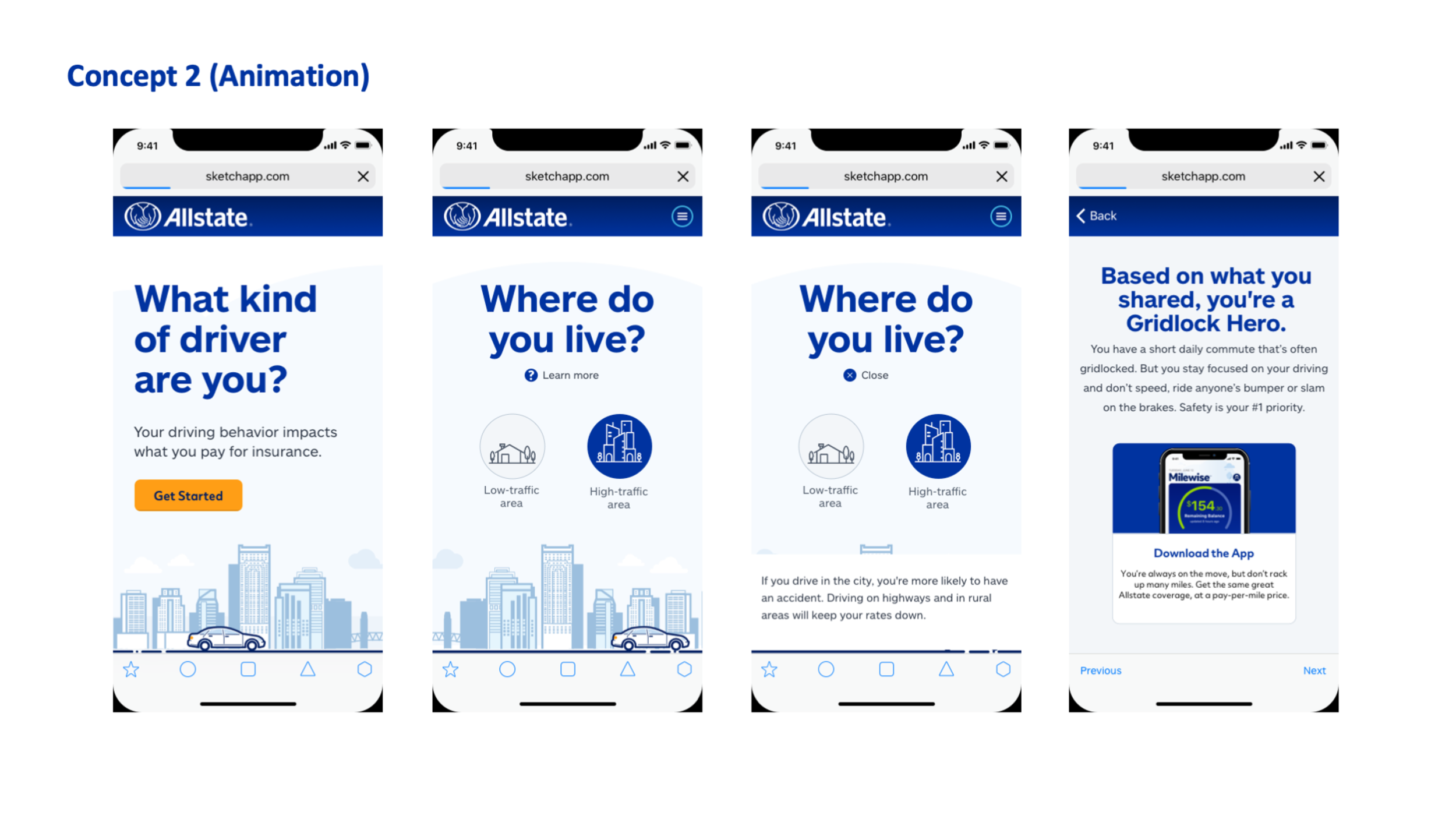
Idea: bring more engagement and liveliness to the quiz via animation.
So in this case, if a driver selected high-traffic area...their car would drive on a highway through a city. Whereas if the driver selected low-traffic area, they would probably drive through a back road in the country side.
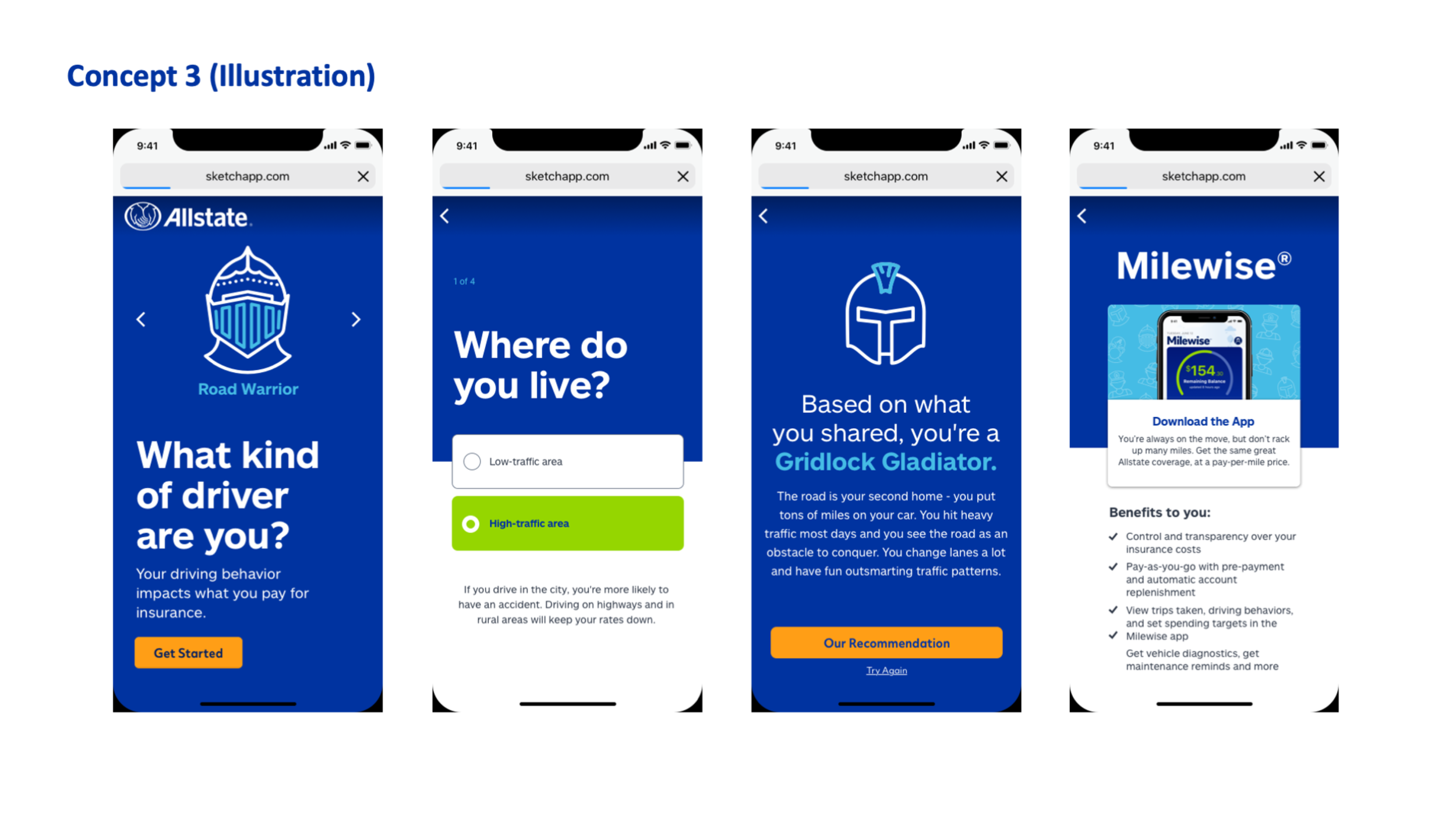
Idea: adding some personality to all the fun archetype names. We gave each of the 8 archetypes a face and thought of ways we could really bring these to life, like by having the character build piece by piece as a driver goes through each question in the sequence.
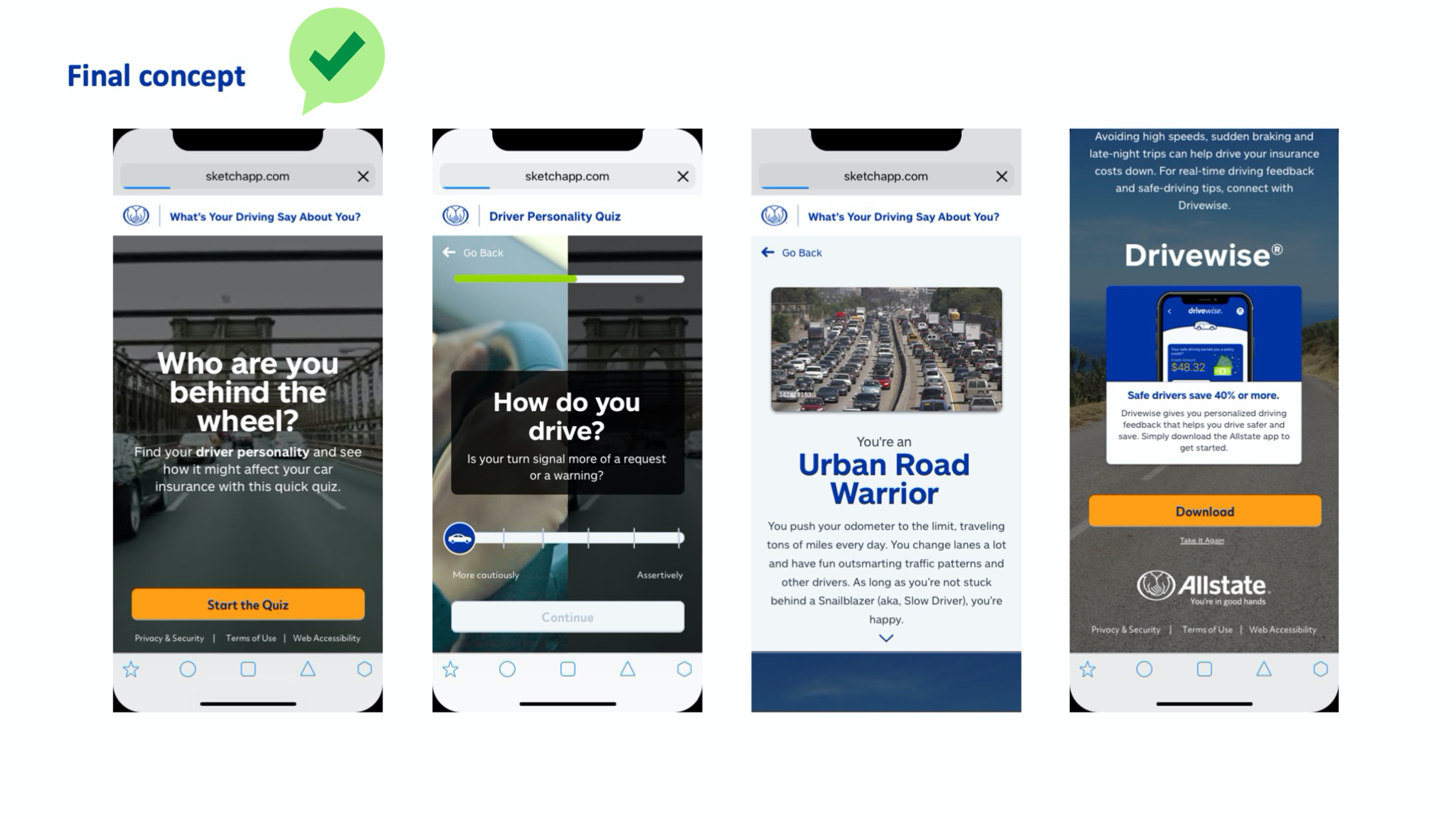
Idea: employ videography and photography to really make the quiz visually appealing. The video would be dynamic based on the answer selected, like changing it from daytime to nighttime.
The decision to go with this choice ultimately came down to aligning with our recent move to embrace more photography and video over illustrations across our experiences and marketing.
One important aspect of this that we really focused on was ensuring that these videos met our accessibility standards.
part III: Giving control
Tackling the third main pain point in the customer journey, there was a pattern of users who indicated that they need more control over both the payment amount and timing.
Users expressed that they really wanted to get an approximate date on their next payment. Further, users struggled to reconcile existing mental models around traditional insurance payments.
findings
Depending on the tightness of their financial situation, users either loved or had anxiety over the auto-replenishment system.
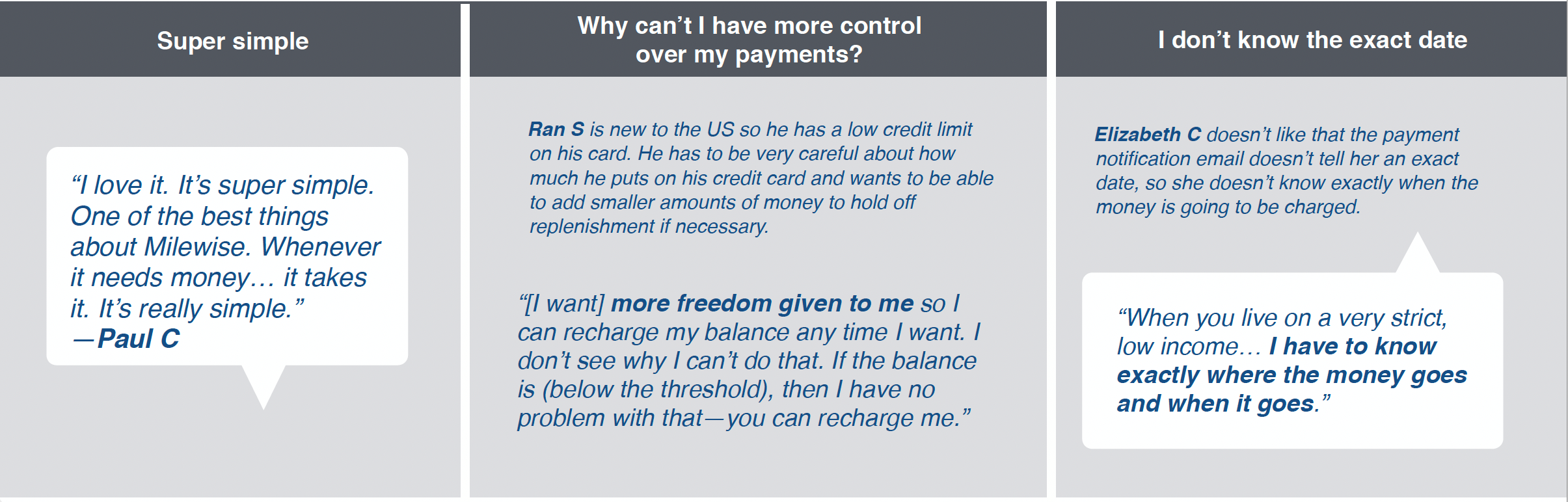
Through synthesizing the feedback, we aligned on how we might address these concerns:
Within onboarding, we wanted to present user’s pre-set mileage, which was previously provided by customers in our Allstate Online Sales (AOS), or documented from an agent.
The user’s mileage would automatically display upon reaching this onboarding screen. But, in case the number was incorrect, users could edit it before entering Milewise. With the user’s validation of their mileage, this allowed us to customize the auto-replenishment projection. It also aided in creating a weekly spending estimate.
opportunities & next steps
Although we tackled three important pain points in the customer journey, there are still many more to design for…
Here is the current Milewise customer journey map:
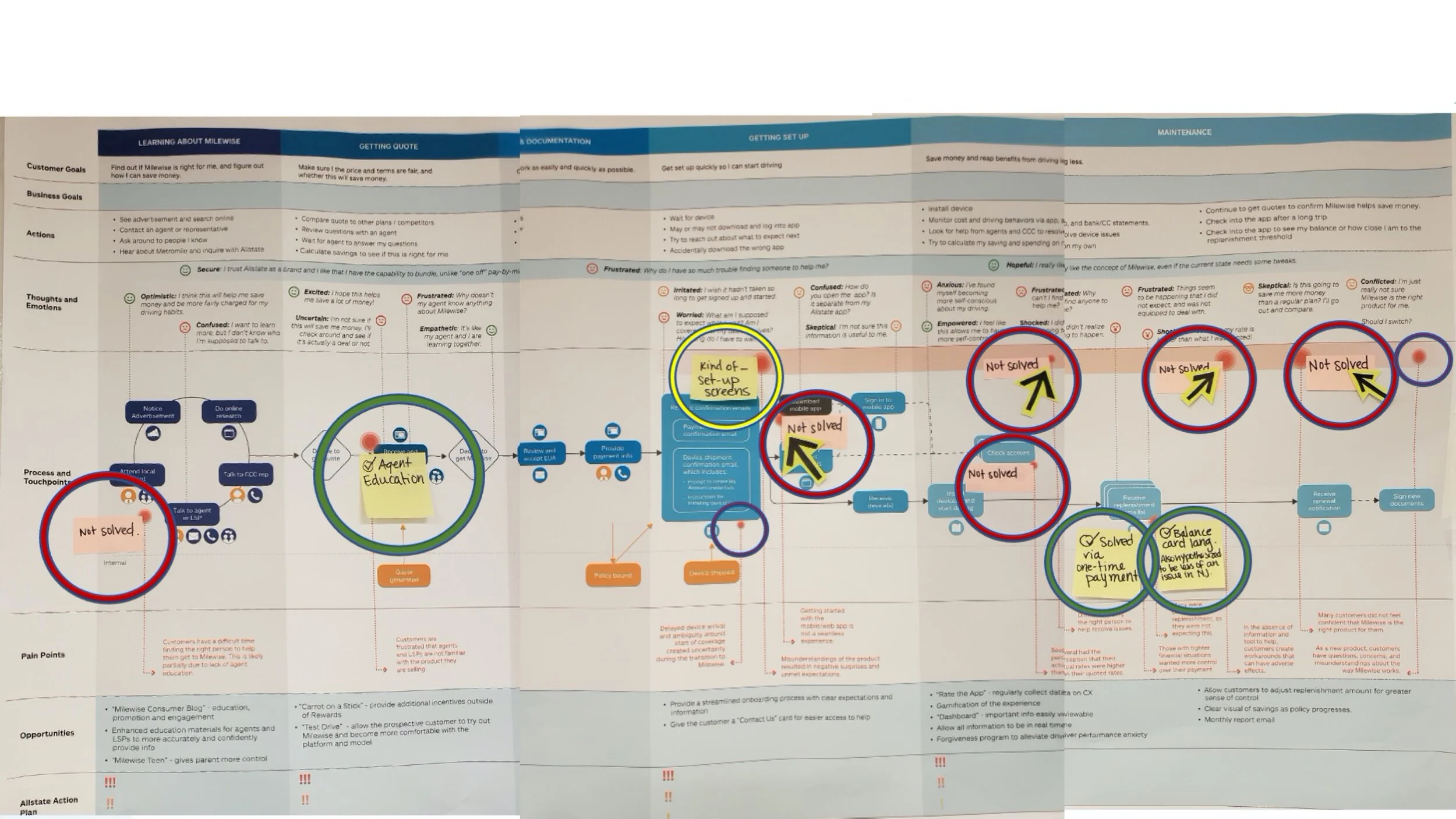
One painpoint at a time!